There are few things more unsettling than waking up in the morning, opening your eyes, and realizing the world looks foggy. You might blink a few times, hoping it clears, but the haze lingers. For many people, this isn’t just tiredness—it’s a condition called corneal edema.
If you’re dealing with this, you’re not alone. Whether it’s a side effect of recent cataract surgery or a chronic condition like Fuchs’ dystrophy, swelling of the cornea can disrupt your daily life. Adding in the environmental challenges we face in Pakistan—from the scorching heat of Multan to the heavy smog of Lahore—maintaining eye health can feel like an uphill battle.
This guide explores what corneal edema is, why our local environment makes it trickier to manage, and how targeted solutions like Muro 128 Ointment and Isotine Eye Drops can help you wake up with clearer vision.
What is Corneal Edema?

To understand edema, imagine your cornea as the clear window at the front of your eye. For you to see clearly, this window needs to stay transparent.
Your cornea has a built-in pump system (the endothelium) that constantly pushes fluid out to keep the tissue dry and clear. If this pump system gets damaged or overworked, fluid starts to build up within the layers of the cornea. Think of it like a sponge soaking up water; as it gets saturated, it swells and loses its transparency. This swelling is what doctors call corneal edema.
Common Causes and Symptoms
Recognizing the signs early can help you seek the right treatment faster. Because fluid accumulates when your eyes are closed during sleep (since no evaporation is happening), symptoms are usually worst immediately after waking up.
Key Symptoms to Watch For:
- Morning Blurriness: Vision is foggier when you first wake up and may gradually improve as the day goes on.
- Halos Around Lights: You might see rainbow-colored rings around streetlights or car headlights.
- Discomfort: A sensation of grittiness or feeling like there’s something in your eye.
- Sensitivity: Bright light might cause pain or excessive tearing.
Why Does This Happen?
In Pakistan, one of the most common causes is post-surgical swelling. Cataract surgery is widely performed here, and while usually safe, it can sometimes shock the corneal pumps, leading to temporary edema. Other causes include eye trauma and genetic conditions like Fuchs’ endothelial dystrophy.
If cataracts or clouded vision are contributing to your symptoms, Isotine Plus Eye Drops can help improve visual clarity.

Managing Eye Health in Pakistan
Living in Pakistan presents unique challenges for eye care. While corneal edema is an internal issue, external factors can worsen the discomfort associated with it.
The Impact of Dust and Smog
In cities like Lahore and Karachi, particulate matter in the air is high. If you have corneal edema, your eyes are already sensitive. Dust trapped in the tear film can cause abrasion on the already swollen surface of the eye. It’s crucial to protect your eyes from direct exposure to heavy pollution.
Heat and Dehydration
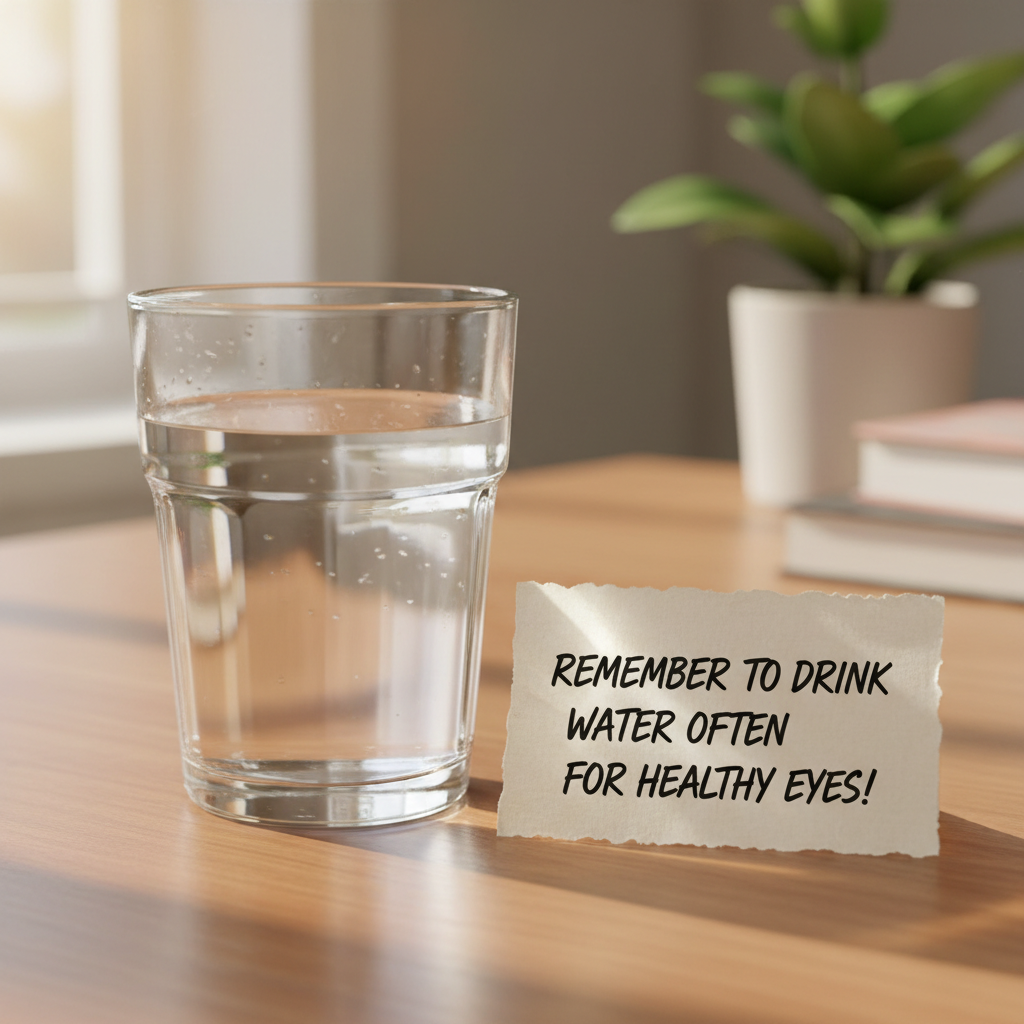
During the peak summer months, dehydration is a real risk. While edema is technically “too much fluid” in the cornea, systemic dehydration can irritate the eye’s surface and affect tear quality, making the grittiness of edema feel even worse.
The UV Factor
The sun in our region is intense. UV radiation can damage corneal cells over time. If your cornea is already compromised by swelling, adding UV stress can delay healing. For additional support in maintaining eye health, consider Ayurvedic solutions like Dr. Basu Advance Formula Isotine Plus Herbal Eye Drops.

The Role of Hypertonic Ointments
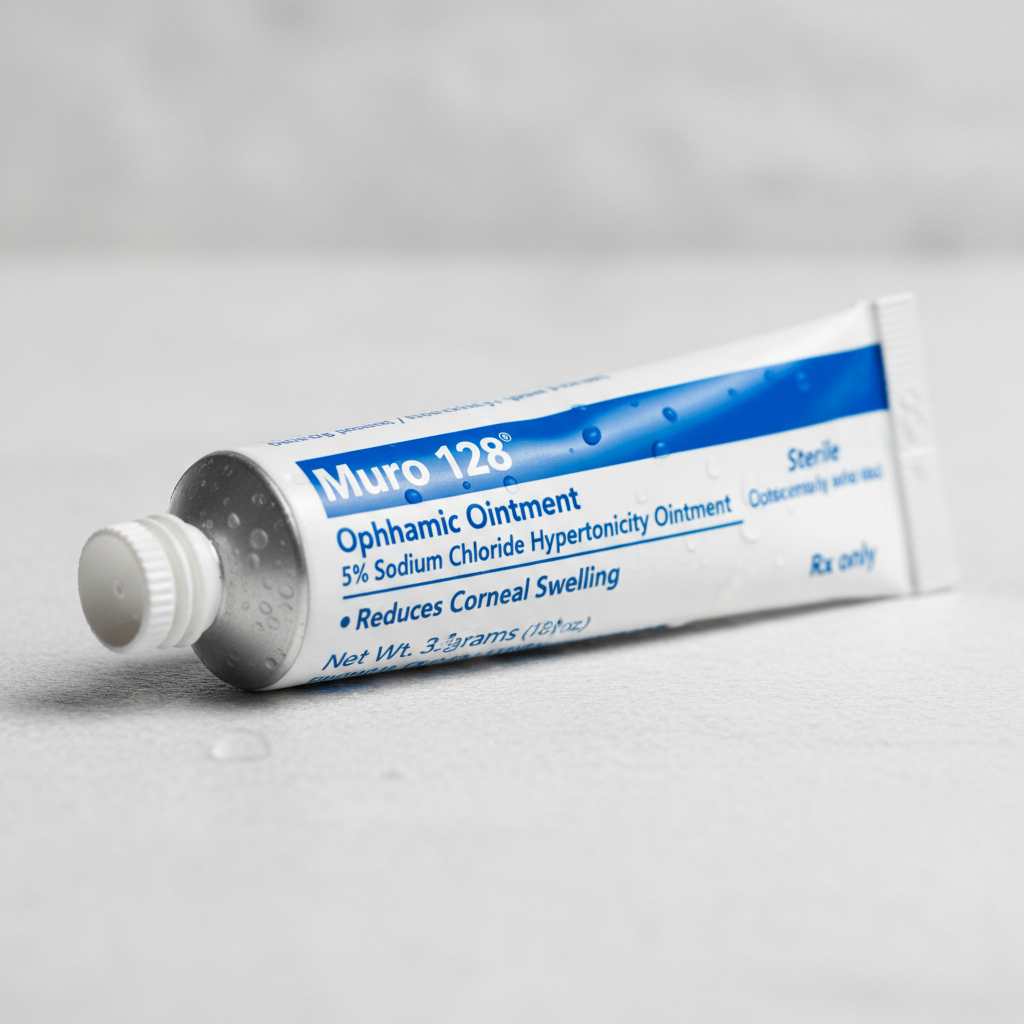
When the cornea’s natural pumps aren’t working fast enough, you need an external aid to help draw that fluid out. This is where Muro 128 Ointment comes in.
How It Works:
Through a process called osmosis, the salt in the ointment naturally draws water out of your swollen cornea. It acts like a magnet for the excess fluid. Because it’s an ointment rather than a drop, it stays on the eye for longer periods.
Doctors typically recommend applying it right before bed. This allows the medication to work all night, combating the fluid buildup that happens while your eyes are closed.
Tips for Better Eye Care
While Muro 128 helps reduce the swelling, adopting a few lifestyle habits can protect your vision further:
- Wear Sunglasses: Invest in a pair with 100% UV protection. Wear them whenever you’re outside, even on cloudy days, to shield your eyes from dust and sun.
- Don’t Rub Your Eyes: If your eyes feel gritty due to the edema or dust, rubbing them is the worst thing you can do. Use artificial tears (preservative-free) if you need to flush out debris.
- Stay Hydrated: Drink plenty of water throughout the day to support overall eye health.
- Follow Doctor Orders: If your doctor prescribed Muro 128 for post-surgical recovery, use it exactly as directed. Do not stop early just because your vision improves slightly.
Taking the Next Step Toward Clarity
Corneal edema can be frustrating, but it is manageable. You don’t have to accept foggy mornings as your new normal. By understanding the condition and using trusted treatments like Muro 128 and Isotine Eye Drops, you can help your eyes heal and restore your quality of life.
If your symptoms persist, worsen, or are accompanied by severe pain, please consult your ophthalmologist immediately. Your vision is precious—protect it with the best care available.